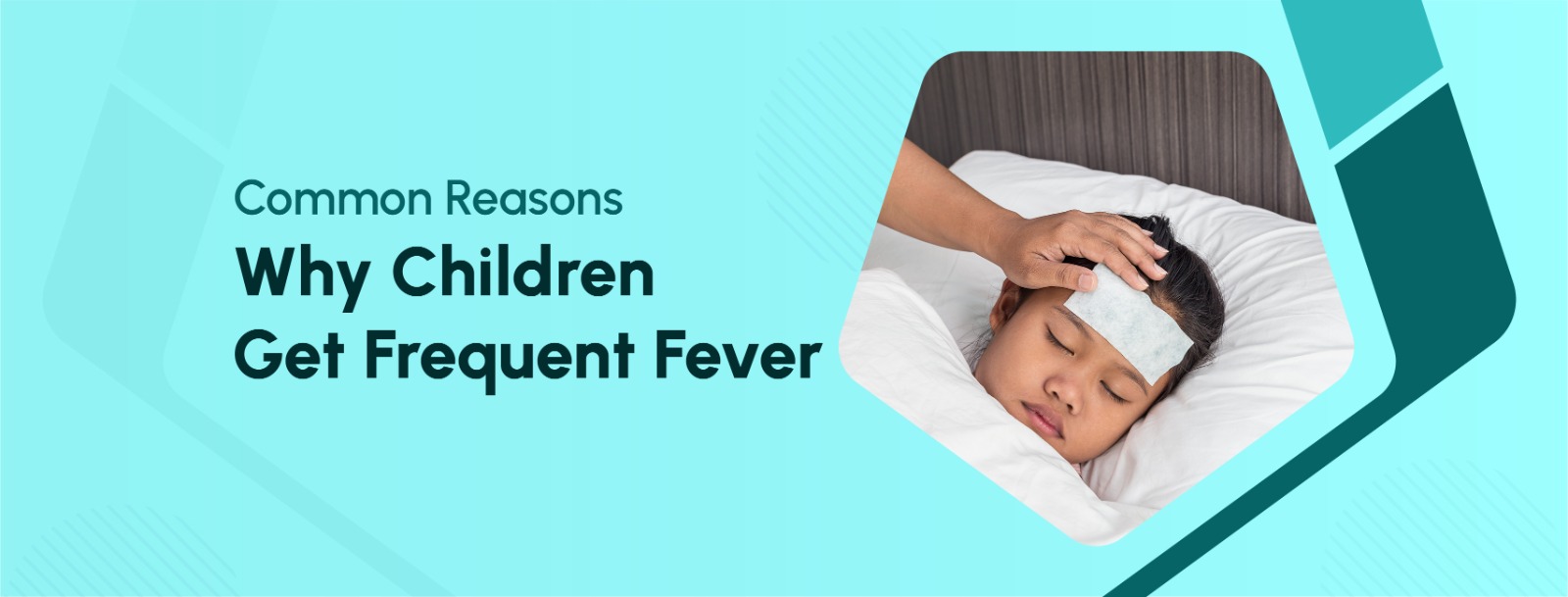
Fever is very common in children. Most parents become worried when their child gets fever again and again. In many cases, fever is the body’s natural way of fighting infections. However, if your child gets frequent fever in children regularly, it is important to understand the reason behind it.
In this blog, we will discuss the common causes of fever in kids, warning signs, and when parents should visit a doctor.
What is Fever in Children?
A fever usually means the body temperature is higher than normal. It often happens because the immune system is fighting germs like viruses or bacteria. Mild fever may not always be dangerous, but repeated fever should never be ignored.
If your child has fever often along with weakness, cough, vomiting, or breathing problems, it is better to consult a specialist.
At Prabhas Pediatrics, experienced child specialists provide proper diagnosis and advanced child fever treatment for children of all ages.
Common Causes of Frequent Fever in Children
- Viral Infections
Viral infections are one of the most common reasons for fever in children. Flu, cold, throat infection, and stomach infections can cause repeated fever.
Children easily catch viruses in schools, playgrounds, or crowded places because their immune system is still developing.
- Bacterial Infections
Sometimes bacterial infections like ear infection, pneumonia, urinary infection, or tonsillitis can lead to frequent fever.
If fever lasts more than 3 days or keeps returning, doctors may recommend tests to find the exact infection.
- Weak Immunity
Children with weak immunity may fall sick more often. Poor nutrition, lack of sleep, and low physical activity can affect the body’s defense system.
Giving healthy food, enough water, and proper rest can help improve immunity.
- Seasonal Changes
Weather changes often increase the risk of viral infections in children. During monsoon and winter seasons, fever cases usually rise.
Parents should keep children clean, hydrated, and protected from sudden temperature changes.
- Vaccination Fever
Some children may develop mild fever after vaccination. This is usually normal and goes away within 1 or 2 days.
However, if the fever becomes high or lasts longer, parents should consult a pediatrician for fever immediately.
- Dengue, Malaria, or Typhoid
In some cases, repeated fever may happen due to infections like dengue, malaria, or typhoid. These illnesses are more common during rainy seasons.
Symptoms may include body pain, vomiting, weakness, headache, or loss of appetite.
Early treatment is very important to avoid complications.
Warning Signs Parents Should Not Ignore
Parents should seek medical help if the child has:
- Fever above 102°F
- Difficulty breathing
- Continuous vomiting
- Seizures
- Severe weakness
- Dehydration
- Fever lasting more than 3 days
- Poor eating or drinking habits
These signs may indicate a serious infection that needs immediate medical care.
How to Prevent Frequent Fever in Kids
Here are some simple tips to reduce the risk of frequent fever in children:
- Maintain proper hygiene
- Wash hands regularly
- Give healthy homemade food
- Ensure proper sleep
- Keep vaccinations updated
- Avoid contact with sick people
- Encourage outdoor activities
Healthy habits can help children stay active and strong.
When Should You Visit a Pediatrician?
Parents should visit a doctor if fever becomes frequent or keeps coming back. A child specialist can identify the exact causes of fever in kids and provide the right treatment.
Prabhas Pediatrics offers expert pediatric care, advanced diagnosis, vaccination support, newborn care, and emergency child healthcare services. Their experienced team focuses on providing safe and compassionate treatment for every child.
Conclusion
Fever is common in children, but repeated fever should not be ignored. Understanding the reasons behind frequent fever in children can help parents take early action and prevent serious health problems.
If your child is getting fever often, consult the experts at Prabhas Pediatrics for trusted and professional child healthcare support.